
Homes and apartments
Routine attention to agreed living spaces, kitchens and bathrooms. Property size, occupied rooms and any delicate surfaces help define the work and required time.
HOME & WORKPLACE CLEANING
Home and workplace cleaning with an agreed scope. Tell us how your space is used, what needs attention and where a considered clean would make the biggest difference.
Plan a clean
Routine attention to agreed living spaces, kitchens and bathrooms. Property size, occupied rooms and any delicate surfaces help define the work and required time.
Cleaning planned around work areas, shared facilities and access requirements. Discuss working hours, sensitive equipment and which rooms are included.
A more detailed scope for accumulated dirt or areas needing extra attention. The condition of the property and the requested tasks are reviewed before a quote is confirmed.
A recurring plan with a defined task list and visit arrangement. Frequency, access changes and any additional work are agreed separately from a one-off clean.
A useful visit follows a clear task list and sensible access arrangements. Planning them first keeps cleaning focused on the areas that matter to you.
Tell us the property type, approximate size, areas to include and your main priorities. Mention pets, fragile items and surfaces with special care instructions.
We discuss the proposed work, exclusions, materials and price. Specialist restoration, hazardous waste and unrelated maintenance are not assumed to be included.
Confirm how the team enters, where supplies can be used and which areas are off limits. Put personal valuables and important documents away before the visit.
Check the completed tasks against the service brief. Tell us about a concern promptly so it can be discussed in the context of the agreed visit.
A considered approach
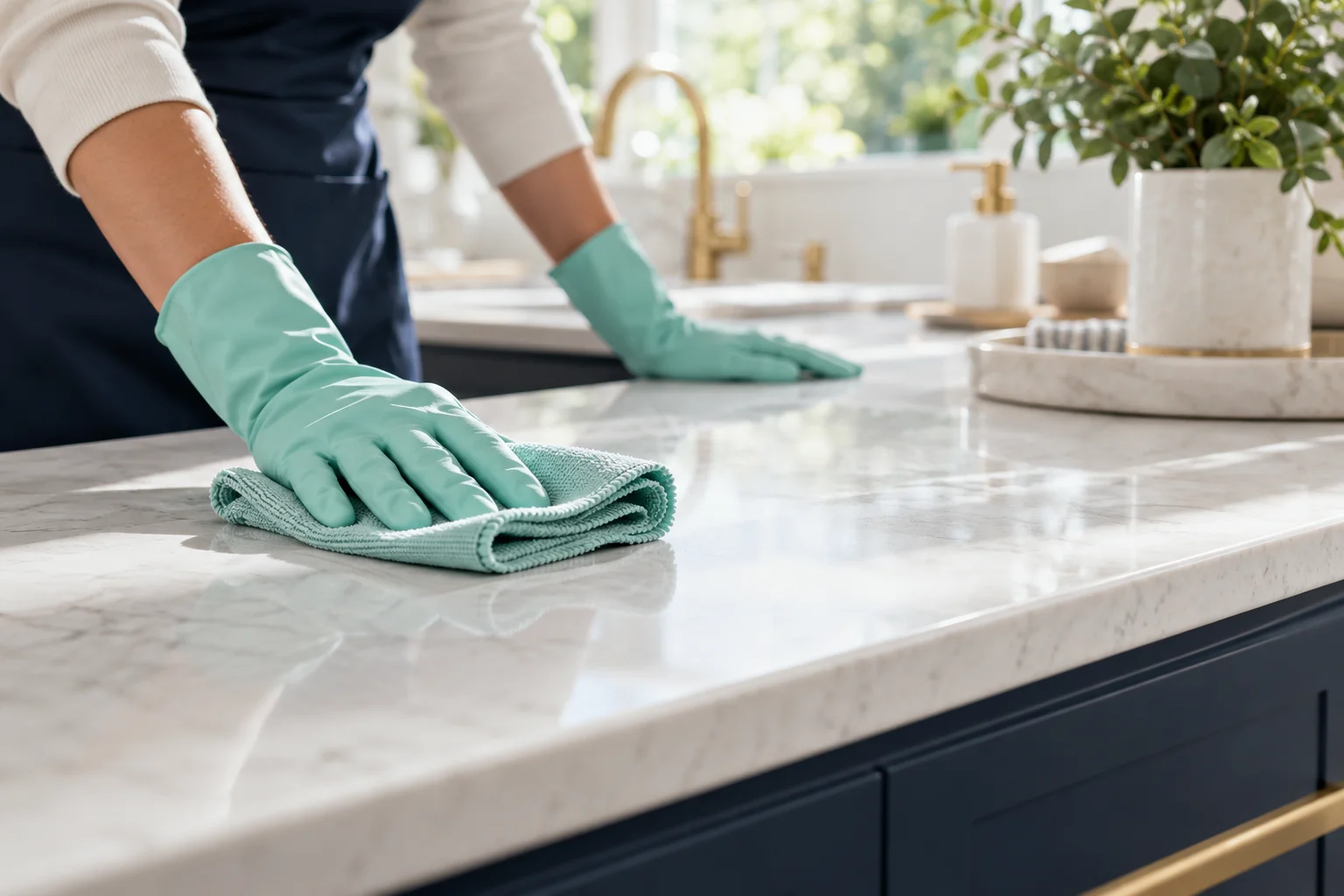
A family home and a working office have different routines. We discuss surfaces, access and the areas that matter most before proposing a scope. A useful clean is specific about what will be done, rather than a promise that every possible task is included.
Playzora provides local cleaning by an agreed service brief. Property size, priorities, access, materials and price are discussed before the visit; recurring work requires a separate schedule and confirmation.
A repeat arrangement should follow a useful first scope. Frequency, priority rooms and access can be discussed around how the property is used, rather than assuming every visit needs the same work. Confirmed tasks and practical instructions give both sides a shared reference for reviewing the result and deciding whether the next visit needs a different emphasis.
How we careCleaning and tidying are different tasks. If surfaces are covered with personal belongings, tell us whether you want an agreed organising task or whether you will clear them before the visit. This helps keep time focused on the areas you value.
Provide care instructions for stone, natural wood, special coatings or other sensitive finishes. Where a method is uncertain, suitability should be checked instead of treating every surface with the same product.
Space care notes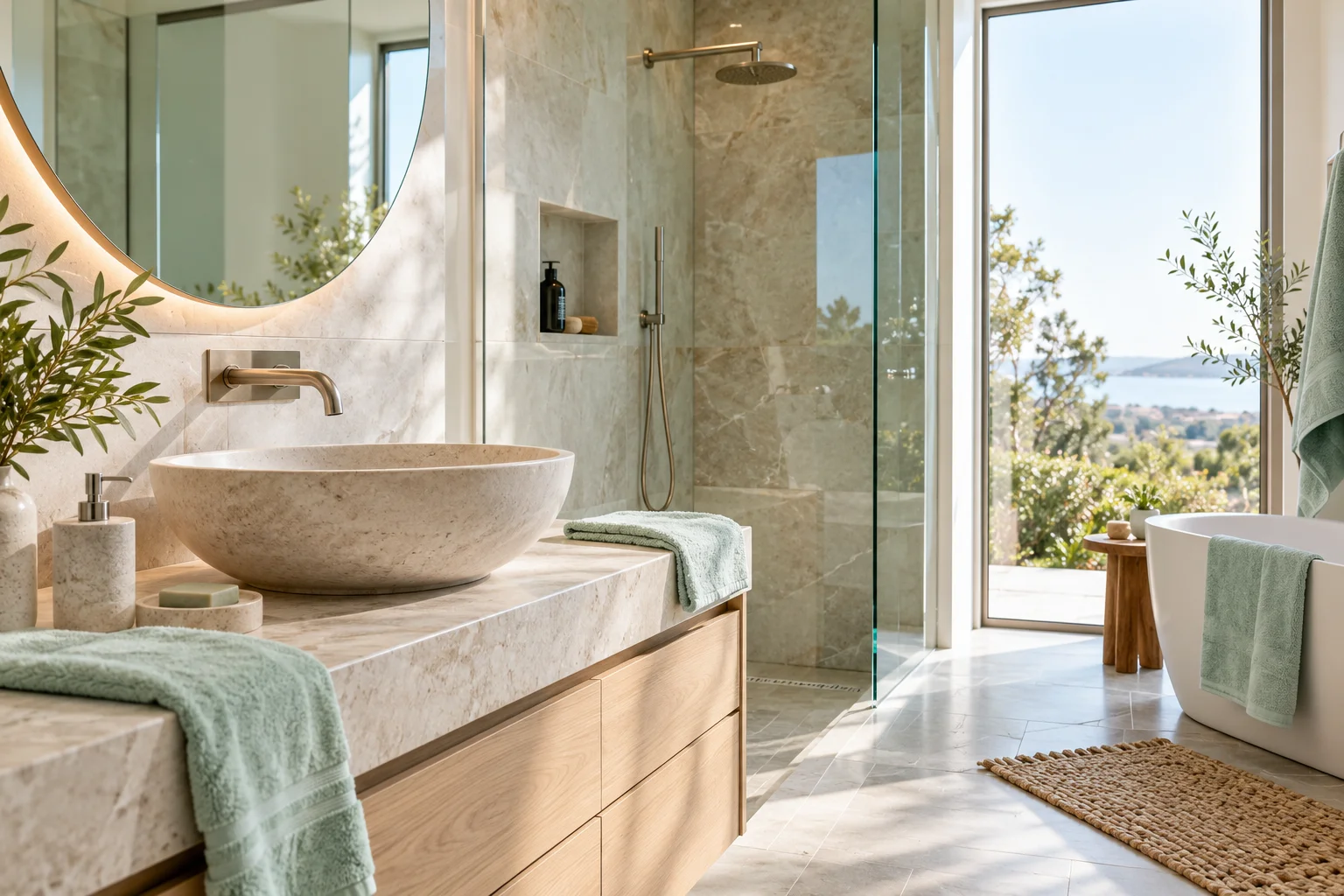
Describe the room and the materials before deciding on the cleaning scope. Glass, grout, stone and fittings may need different treatment. Areas with long-standing staining should be discussed as specific concerns, rather than assumed to return to a new condition after one visit.
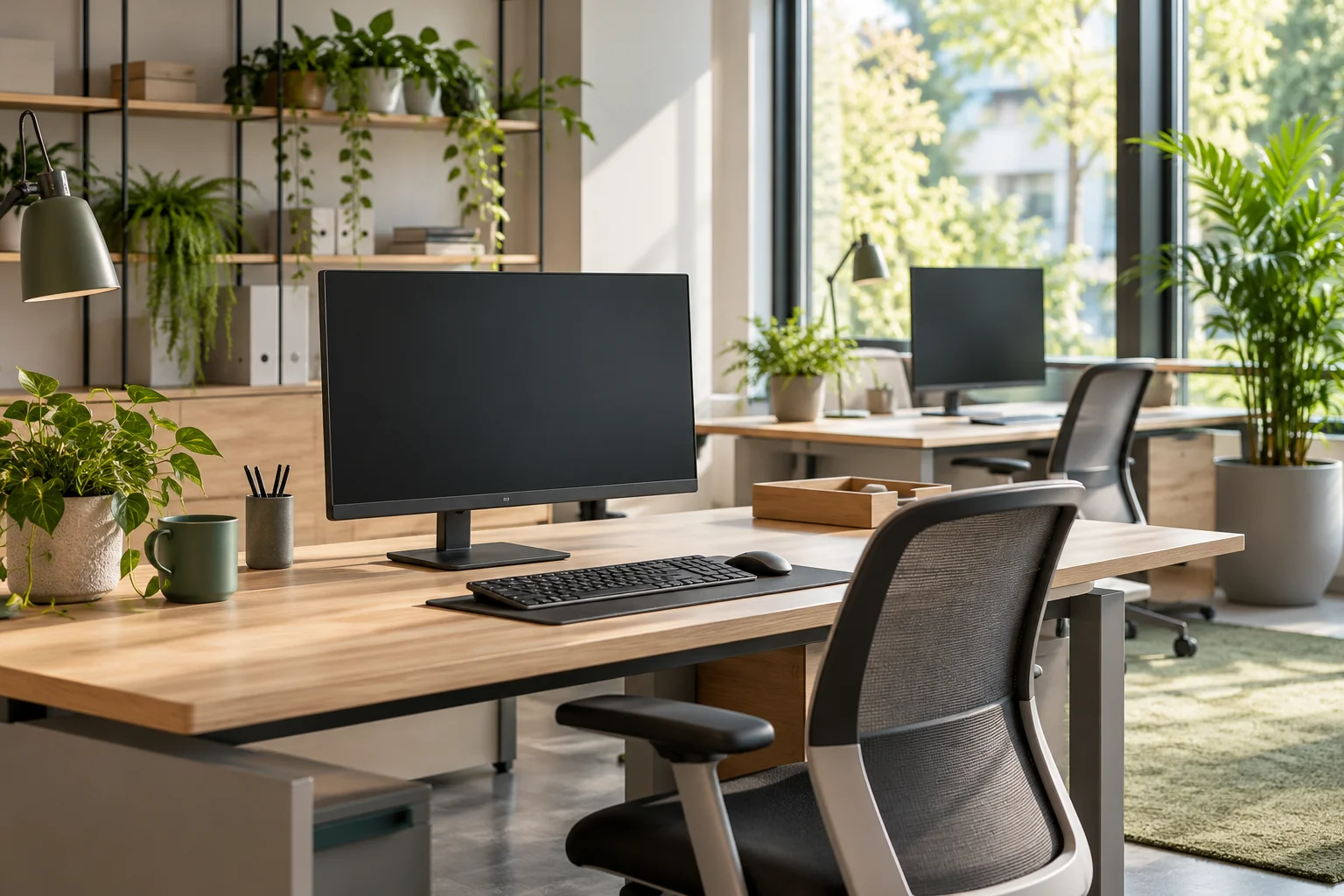
A workspace visit needs a plan for access, desk items and the areas that can be cleaned. Identify occupied rooms and any equipment that should remain untouched. The useful scope follows how the office is used, not just the number of desks shown in a photograph.
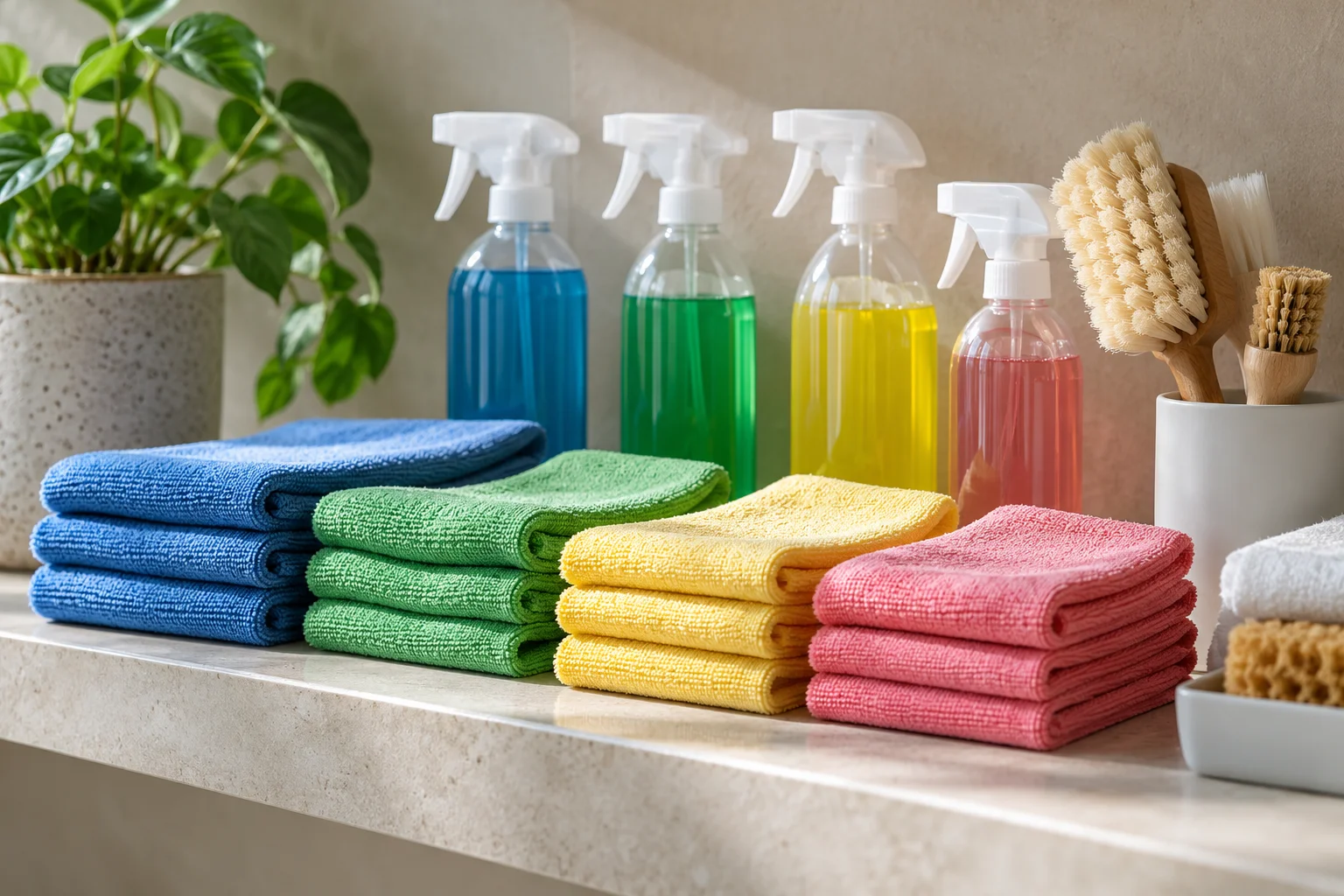
Cleaning methods should follow the agreed surfaces and restrictions. Tell us about delicate finishes or product preferences before the visit. Preparation, equipment and consumables belong in the scope discussion so that a general cleaning request does not leave important practical details unclear.
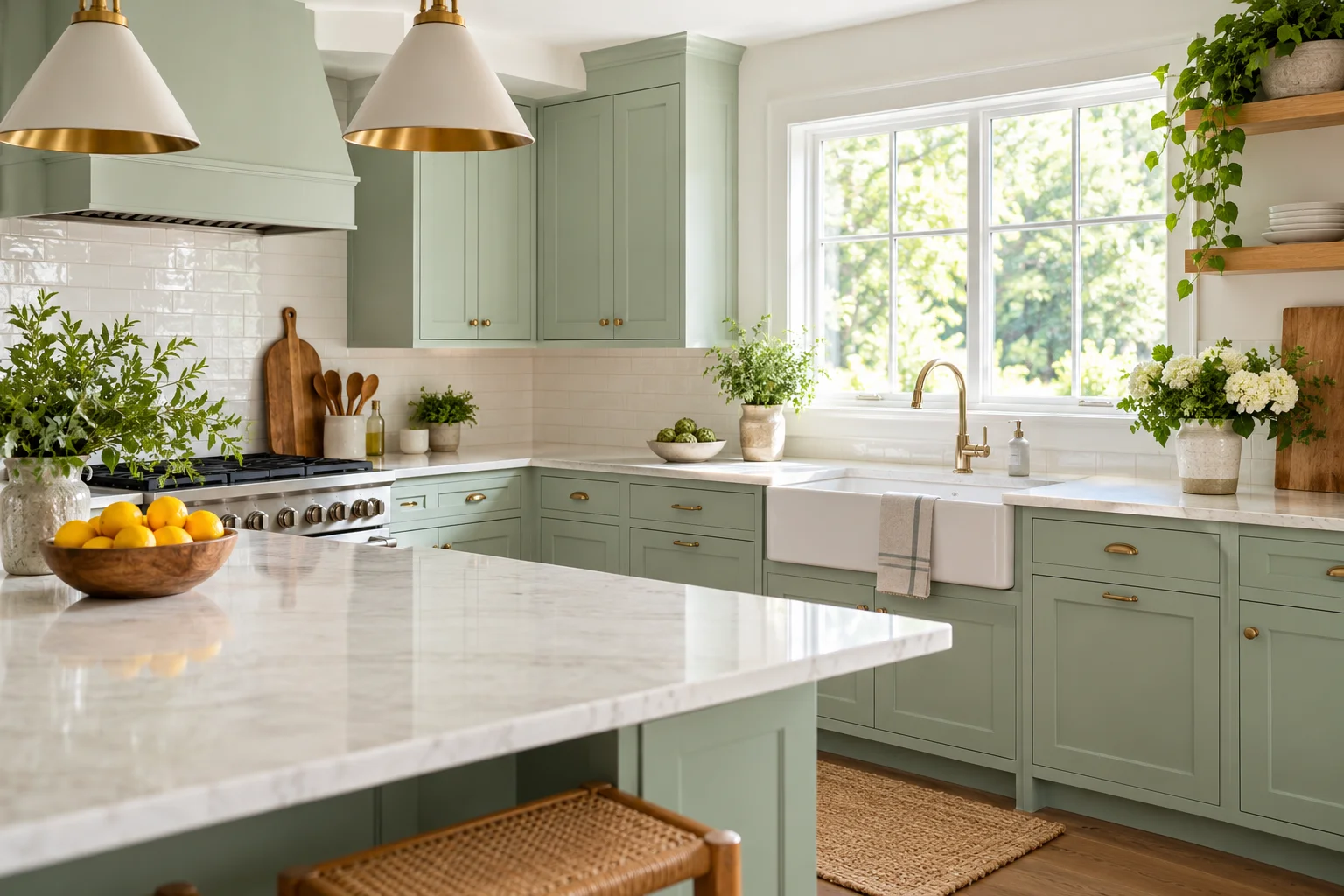
Distinguish everyday surface cleaning from appliance interiors, cupboard contents and heavier deposits. Clear this up before the visit and decide which areas will be accessible. A practical room-by-room brief helps prioritise the work without making an unlimited promise about every surface.
For offices, identify confidential papers, powered equipment and restricted rooms. A clear access brief supports cleaning without making assumptions about what may be moved or touched.
Discuss your space